
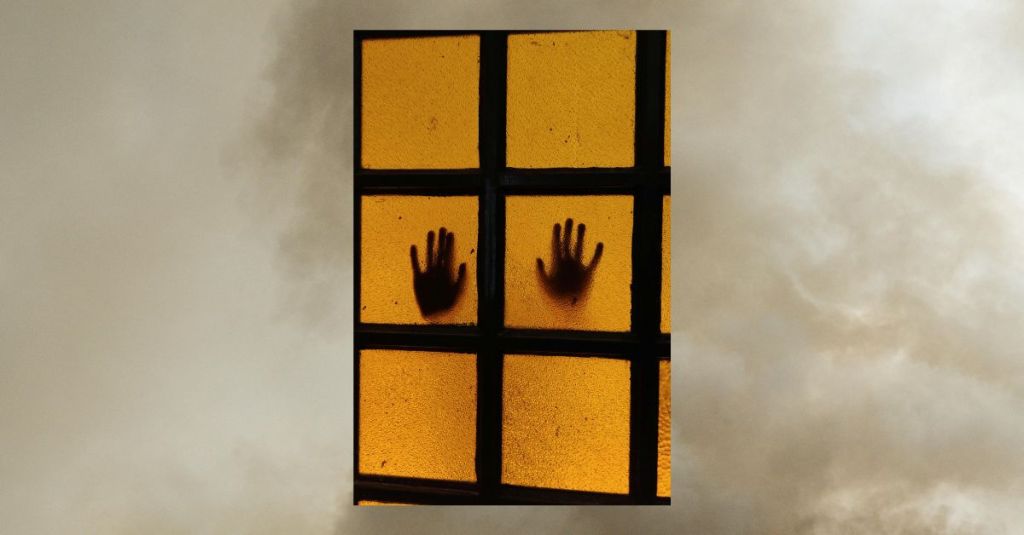
“Crisis!” “Chaos!” “Outbreak!” “Disaster!”
These words pop out of headlines every time I open the news app, large and alarming. They follow me into my social media scroll, conversations with friends and family, and in the events I see occurring around me in daily life. It feels like things are coming to a head. The world is undergoing so much change and fear and confusion that it’s overwhelming. Ironically, reading about a fictional apocalypse is often what quiets my mind during these unprecedented times. It’s as if reading about the endurance of humanity, empathy, community, and joy, even in the face of terrifying odds, reminds me of the steps I see people taking to combat this wave of fear. With that in mind, let me recommend some of my own favorite examples of human resilience in the face of the end of the world.
While apocalypse often brings to mind zombie takeovers or cataclysmic natural disasters, possible causes for the end of the world are as varied as the protagonists that experience them. Similarly, the reactions, consequences, and even solutions to the proposed apocalypse differ wildly: some stories explore the possibility of a society reborn, others focus solely on the continuing survival of its protagonist in a bleak world, and others still condemn the main character and all of humanity to doom with no possible resolution. To complicate matters further, what makes apocalyptic fiction is largely dependent on who you ask. The genre is heavily intertwined with that of dystopian fiction; classic examples of dystopia like The Hunger Games, 1984, and The Handmaid’s Tale are counted among the top apocalyptic novels on book ranking sites like Goodreads. But while dystopian fiction tends to focus on an unjust, cruel society, which may occasionally result from an apocalyptic event, I tend to think of apocalyptic fiction as focusing on the catastrophic event itself and the rapidly ensuing consequences. The absence of structured society is what makes the stakes of survival so dramatic; there is no way to cooperate with the apocalypse or adapt to the rules of a new order. The genre is chaotic, defined by uncertainty and self-reliance, and while there may be pockets of still-functioning society to either seek out or avoid, the protagonist(s) are on their own.
With this rough definition in mind, I want to examine three separate literary perspectives on the apocalypse, each unique in their narrative structure, apocalyptic event, and character or characters of focus. Ranging from the believable to the wildly fantastic and the sole survivor to the ragtag group, these novels each invite the reader to experience the end of the world as we know it.
But while dystopian fiction tends to focus on an unjust, cruel society, which may occasionally result from an apocalyptic event, I tend to think of apocalyptic fiction as focusing on the catastrophic event itself and the rapidly ensuing consequences.
World War Z by Max Brooks, perhaps best known for its film adaptation of the same name, throws a unique twist into the typical zombie apocalypse narrative by framing the novel as a series of retrospective interviews from all over the world. The zombie apocalypse, referred to in the novel as “The Zombie War,” is presented as a geopolitical conflict that affects industry, daily life, military expeditions, religion and medical developments. Some notable interviewees include a Brazilian surgeon who discusses the effects of the virus on organ transplants, a Japanese man who withdraws into the online world and is later forced to scale an infested apartment building, an American woman who nearly starves in a refugee camp in the freezing north, and astronauts stuck on the International Space Station. While some of the military scenes are a bit convoluted and difficult to follow, particularly the Battle of Yonkers, where the American military faces off with a zombie horde, the novel presents a broadened perspective of humanity that captures human relationships in its fictional interview subjects. Moreover, it is refreshing to see a presentation of the zombie apocalypse that doesn’t fully commit itself to any particular perspective; the wide-angle view prompts the reader to think about often disregarded effects of a disaster on this scale. The journalistic narrative style is also very well done—it feels as though you really are reading a series of interviews with real people.
Moving from the classic zombie apocalypse to something more realistic, Octavia Butler’s novels Parable of the Sower and its sequel Parable of the Talents follow a more traditional narrative of the apocalypse. Set in the not-too-distant-future, America has fallen because of the economic crisis ushered in by the depletion of natural resources as well as the ever-expanding effects of climate change and political strife. The story follows protagonist Lauren as she navigates the unexpected challenges of living in a ruined California, where water shortages, substance abuse, massive inflation, and the threat of possible corporate indenturement are ever-present. Eventually, Lauren establishes her own community based on the principles of her religion called Earthseed, a faith based on the very concept of change and progression away from Earth. In many ways, the Parable series is uncomfortably close to something that could happen, or is happening, in our day-to-day lives. Butler’s excellent portrayal of realism is aided by Lauren’s characterization; the reader gets a sense of her personality and motivations through both her internal monologue and Butler’s attention to detail in subtly referencing her religious background as well as her enduring commitment to group survival. Other characters are equally as compelling and fleshed out, with their perspectives on community in the face of disaster. Furthermore, the one slightly supernatural twist thrown in by Butler, that being the hyper-empathy disorder that forces Lauren to literally feel the pain of others, enriches the overarching themes of community and change as necessary for humanity’s survival.
Moreover, it is refreshing to see a presentation of the zombie apocalypse that doesn’t fully commit itself to any particular perspective; the wide-angle view prompts the reader to think about often disregarded effects of a disaster on this scale.
The final inclusion on the list is complicated. While José Saramago’s Blindness, centered around a group of people who have been locked in an abandoned asylum after a mysterious plague has rendered them blind, does feature a world ending event via said blindness, it doesn’t necessarily feel like an apocalypse novel. Unlike both the Parable series and World War Z, Blindness takes place in a confined space: an asylum in an unnamed city. Furthermore, the characters lack names and are instead identified by their professions or physical traits. Told through the third person, Blindness doesn’t lend much insight to the reader on how its characters are feeling at every moment. However, this chilling, isolated atmosphere is precisely what makes Blindness a compelling read. Chaos ensues, and the asylum quickly devolves into violent factions that steal from and abuse one another. Meanwhile, the outside world comes down with the blind plague. However, similarly to Parable of the Sower, their strength lies in a communal ability to care for one another.
World War Z examines the end of the world as a global war with an undying enemy, reminding the reader of the complex interconnected web that is the world, where disturbing one strand ripples across them all. The Parable series focuses on the human element by presenting the apocalypse through a more personal lens, allowing the reader to immerse themselves in a narrative of shared communal experience. Blindness encloses the reader, restricting their point of view to instill the same claustrophobic lack of vision its protagonists are experiencing. Then it guides them out into a world where people must rely on one another to survive. While these books make use of different settings, perspectives, and origins, human connection remains a consistent means to end the end. In the face of immense fear, community endures. The apocalyptic genre imparts not only entertainment and excitement but a message to people who have anxiety about the events we see in the news every day. As long as human kindness and empathy for others persists, hope endures. So as I read about news stories that beg me to fear and panic, I find value in reading stories that showcase how willing humans are to support each other in crisis.
In the face of immense fear, community endures.

 Berkeley Fiction Review
Leave a comment